
Tent Materials & Coatings: Complete Guide for Malaysia
When shopping for a tent, you’ll often see confusing terms: 20D, 210T, PU3000, black coating, silver coating, Teflon, canvas, polyester. What do they all mean? Let’s unpack the jargon so you can choose the right tent for Malaysia’s hot, wet, tropical climate.
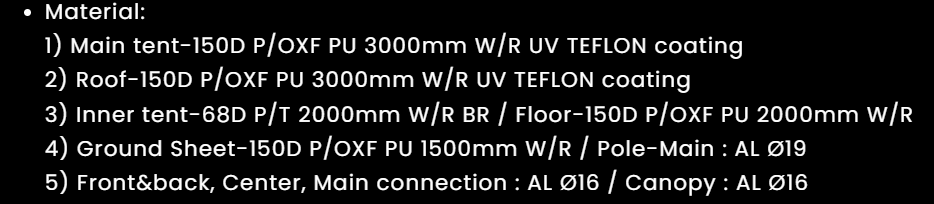
Common Tent Fabrics
-
Nylon (Ripstop Nylon) – Lightweight, strong, but weak against UV.
-
Polyester – UV resistant, stable when wet, common in family tents.
-
Canvas / Polycotton – Breathable, durable, but heavy and mold-prone in humidity.
-
Advanced Laminates (Dyneema, X-Pac, etc.) – Super waterproof and ultralight, but very costly.
Waterproof Coatings Explained
Most tent fabrics need a coating or laminate to stop rain.
-
PU (Polyurethane) – Affordable, common, provides waterproof rating.
-
Silicone (Silnylon / Silpoly) – Strong, flexible, waterproof, UV-stable, but pricier.
-
Acrylic / DWR – Adds water beading, not full waterproofing.
-
Laminated membranes – Premium ultralight options like Dyneema Composite Fabric.
Special Coatings You’ll See
1. Black Coating (UV Blocker)
-
A dark backing layer inside the fabric.
-
Blocks sunlight and UV, making the tent cooler and darker inside.
-
Great for Malaysia where the sun rises early and heat builds up quickly.
-
Sometimes marketed as “Blackout tent” or “Darkroom tent.”
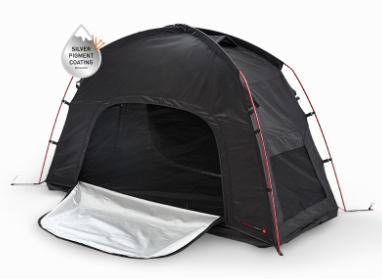
2. Silver Coating (Heat Reflector)
-
A shiny silver lining on the inside.
-
Reflects sunlight, reduces heat build-up, and adds UV protection.
-
Common in beach tents, sun shelters, and some camping tents.
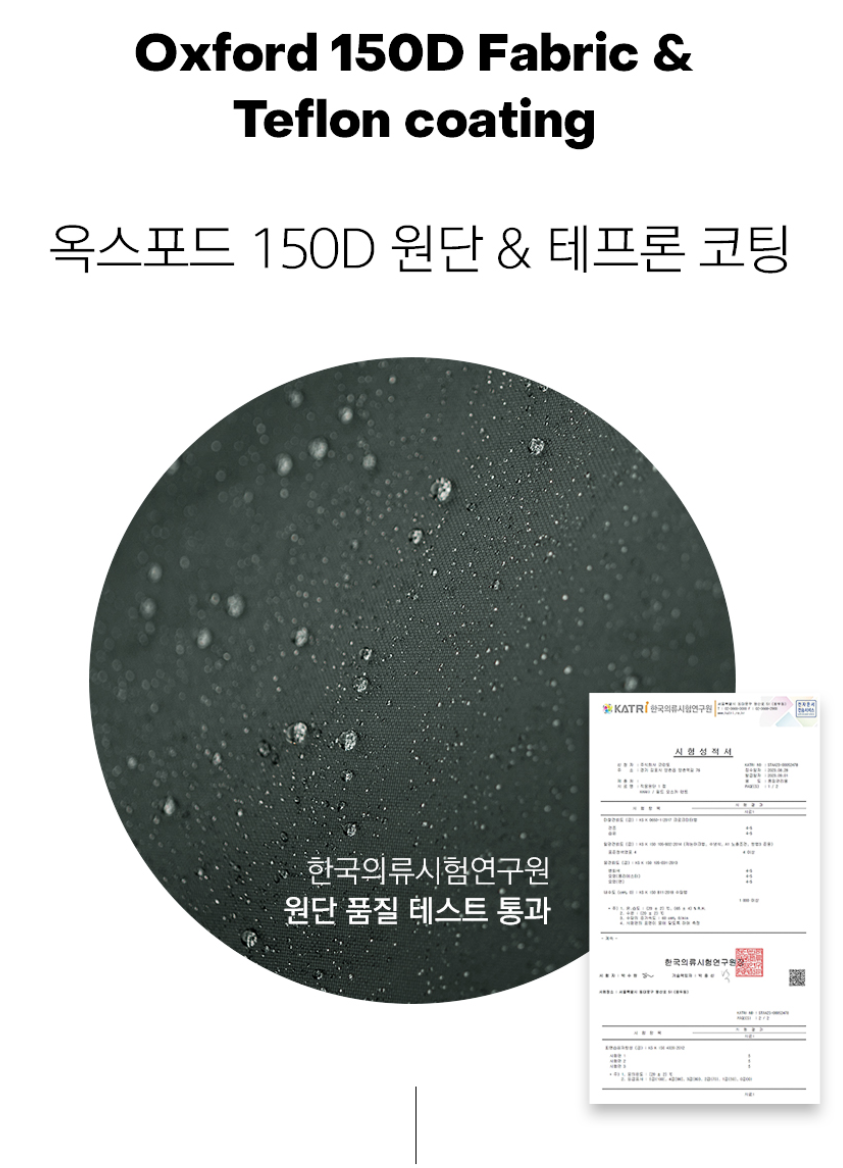
3. Teflon Coating (Stain & Water Repellent)
-
A fluoropolymer layer that makes fabric resistant to dirt, oil, and water.
-
Improves tent lifespan in muddy or tropical environments.
-
Doesn’t provide primary waterproofing, but enhances durability.
4. UV-Resistant Treatments
-
Clear chemical finishes that slow fabric degradation from sunlight.
-
Especially important in Malaysia’s year-round UV exposure.
5. Fire Retardant Coatings
-
Reduces flammability of the fabric.
-
Often required for large event tents or glamping setups.
What Does 3000mm Mean?
Hydrostatic Head (HH) = water pressure resistance.
-
3000mm HH = a 3-meter column of water before leaking.
-
Visualize: placing a 3L water bottle standing upright on the fabric without water passing through.
Guide:
-
1,500mm → Light rain only
-
3,000mm → Heavy Malaysian rain
-
5,000–8,000mm → Storms & tent floors
-
10,000mm+ → Extreme mountain use
What Do 20D, 30D, 40D Mean?
Denier (D) = yarn thickness.
-
20D → Ultra-light, delicate
-
30D → Light but stronger
-
40D+ → Rugged, used in floors
What Does 210T Mean?
T (Thread Count) = number of threads per square inch.
-
Higher T = denser, stronger fabric.
-
210T polyester = stronger than 190T, holds coatings better.
Why Canvas Has “Low” Water Ratings
Canvas often tests at only 300–500mm HH, much lower than polyester or nylon.
But in real life:
-
Cotton fibers swell when wet, tightening the weave.
-
This natural seal makes canvas reliable in rain.
Drawbacks: Heavy, slow-drying, mold-prone in humid Malaysia.
Best Picks for Malaysia
-
Polyester 210T PU3000–5000 with Silver or Black Coating → For family camping, good UV & heat protection.
-
Silpoly 20D–30D with Silicone/PU 2000–4000 → For trekkers who need lightweight gear.
-
Canvas (with Teflon treatment if possible) → For glamping setups where comfort matters more than portability.
Quick Comparison
| Fabric / Coating | Waterproof (HH) | UV Protection | Heat Reduction | Best Use in Malaysia |
|---|---|---|---|---|
| Polyester PU3000–5000 | Strong | Medium | Medium | Family tents, car camping |
| Polyester + Silver | Strong | Strong | Reflects heat | Hot sunny areas, beach camping |
| Polyester + Black | Strong | Strong | Keeps tent dark & cool | Family tents, festivals |
| Nylon Silnylon 20D–30D | Medium | Weak | Low | Ultralight trekking |
| Canvas (Treated) | Low rating, but swells | Strong | Good insulation | Glamping, basecamp |
| Polyester + Teflon | Strong | Medium | Medium | Muddy / long-term use |
Final Thoughts
Malaysia’s climate is wet, hot, and sunny. That means:
-
Look for waterproof rating at least 3000mm, more for floors.
-
Pick polyester with UV-blocking (silver or black coating) for comfort and longevity.
-
Consider Teflon-treated fabrics for easier cleaning and longer lifespan.
-
Canvas is still an option, but best for glamping rather than backpacking.
Choosing the right tent fabric and coating makes all the difference between a sweaty, leaky night and a cool, dry, comfortable camping trip.
Our Tent Collection: https://goritta.com/collections/shelters